

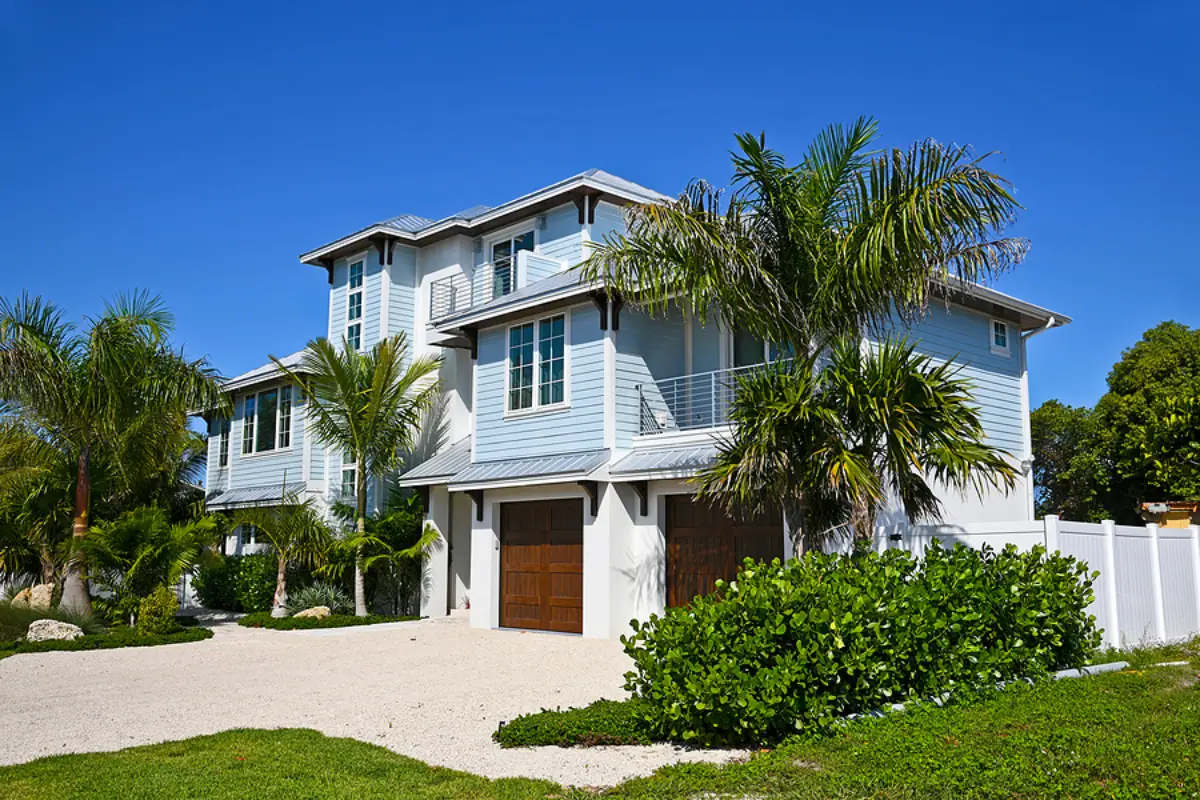
Running numbers through a compare rent sell tool early in the decision process often reveals a clear divide between properties that operate smoothly and those that quietly drain time and attention. In Orlando’s residential market, that difference is frequently tied to one factor, property type.
Single-family homes and multifamily rentals may both promise income, yet they behave very differently once tenants move in. Shared systems, overlapping resident needs, and internal competition can quickly complicate operations in multifamily settings. Single-family homes, by contrast, tend to remove friction before it ever appears, offering a more controlled ownership experience that aligns well with residential-focused investors.
Below, we break down why single-family homes continue to outperform in Orlando’s day-to-day rental operations and how we help owners turn those structural advantages into consistent results.
Key Takeaways
- Single-family homes create fewer resident conflicts and smoother daily operations.
- Private outdoor space supports Orlando tenant preferences and longer stays.
- Flexible layouts help homes remain functional as renter needs change.
- Pricing strategy is more controlled without identical unit competition.
- Maintenance, budgeting, and risk planning are easier to manage at the household level.
Privacy That Keeps Management Predictable
One of the most immediate benefits of single-family rentals is the reduction in shared-living challenges. Orlando renters often seek quieter environments, and detached homes naturally support that expectation.
Without shared walls, hallways, or stairwells, common complaints drop significantly. Noise disputes, parking conflicts, and shared-area wear rarely surface. This creates a calmer communication flow and allows us to focus on proactive property oversight rather than constant conflict resolution.
Lower density simplifies coordination
When one household occupies a property, scheduling becomes easier across the board. Vendor access, inspections, and routine maintenance can be planned without juggling multiple residents. Over time, that simplicity leads to fewer surprises and more consistent performance.
Outdoor Space That Matches Orlando Lifestyles
Outdoor living plays a meaningful role in how renters evaluate homes in Central Florida. Single-family properties often include yards, patios, or private driveways that enhance daily routines.
These spaces support everything from weekend gatherings to pet-friendly living, which broadens the applicant pool. Many renters actively prioritize homes where outdoor space feels personal rather than shared.
Practical benefits of private outdoor areas include:
- Reduced reliance on shared amenities or community rules.
- Increased appeal to pet-owning households.
- Greater likelihood of lease renewals due to comfort and convenience.
When evaluating how these features translate into demand, a free rental review can help clarify pricing potential and tenant interest at the neighborhood level.
Floor Plans That Stay Relevant Over Time
Single-family homes often outperform when it comes to adaptability. Multiple bedrooms, defined living areas, and bonus spaces allow tenants to adjust their routines without needing to relocate.
Remote work remains a factor for many households, and flexible layouts make it easier to add home offices without sacrificing comfort. Families benefit from room to grow, while shared households appreciate clearer separation between spaces.
Adaptability reduces turnover pressure
Turnover rarely happens because of one isolated issue. More often, the home stops fitting daily life. Properties that adapt to evolving needs help tenants stay put, which stabilizes occupancy and reduces leasing costs.
Owners evaluating whether a property still aligns with long-term goals often use an investment return check to assess performance before making changes.
Pricing Control Without Internal Competition
Multifamily properties often compete with themselves. Identical units listed simultaneously can force rapid price adjustments that ripple through the entire building.
Single-family homes compete differently. Pricing is influenced by neighborhood demand, condition, layout, and amenities rather than matching units down the hall. This allows owners to set rent strategically instead of reactively.
National housing data continues to support this advantage. The National Association of REALTORS® reported a median existing single-family home price of $426,800 in the third quarter of 2025, reflecting sustained demand for detached housing nationwide.
Maintenance That’s Easier to Anticipate
Shared infrastructure often complicates maintenance in larger buildings. One issue can affect several units, triggering multiple service requests and urgent coordination.
Single-family homes isolate systems to one household. Plumbing, HVAC, electrical, and appliances are easier to diagnose and schedule. Repairs remain contained, which simplifies budgeting and reduces unexpected disruptions.
Predictable expenses support clearer planning
When maintenance patterns are easier to anticipate, reserve planning improves. We also help owners maintain financial clarity through organized financial tracking, keeping income and expenses clearly documented and easy to review.
Risk Management That Fits Residential Ownership
Insurance and liability planning tends to be more straightforward for single-family rentals. Fewer shared spaces mean fewer exposure points and clearer coverage alignment.
This matters in Florida, where weather-related considerations require thoughtful preparation. Clear property boundaries and consistent maintenance standards help reduce risk while supporting long-term stability.
To reinforce confidence, we back operations with clear performance commitments, so expectations remain aligned throughout the rental lifecycle.
Market Demand That Continues to Favor Space
Tenant preferences have steadily shifted toward privacy, comfort, and autonomy. These priorities support strong demand for single-family rentals across many markets.
Zillow reports that single-family rents are 20% higher than multifamily rents, reflecting how renters value detached living.
In Orlando, lifestyle-driven relocations, school considerations, and long-term planning further strengthen interest in well-located single-family homes.
Growth Flexibility for Residential Investors
Single-family homes also offer a flexible path for portfolio growth. Financing is often more accessible, and expansion can happen gradually rather than all at once.
This approach suits owners who want tighter oversight and steady scaling. Adding one property at a time allows for better control, clearer performance tracking, and easier adjustment to market shifts.
Over time, portfolios centered on single-family homes often balance income stability with growth potential, especially in residential-focused markets like Orlando.
FAQs about Single Family Homes in Orlando, FL
How do single-family homes perform during market shifts in Orlando, FL?
Single-family homes often remain resilient because renters prioritize space and stability, which helps sustain demand even when broader market conditions fluctuate or renter preferences shift.
What role does neighborhood location play for single-family rentals in Orlando, FL?
Neighborhood factors like school access, commute patterns, and nearby amenities heavily influence tenant interest, making location a key driver of both rent stability and long-term occupancy.
Are capital improvements more effective in single-family homes in Orlando, FL?
Upgrades such as flooring, kitchens, or outdoor enhancements often have clearer returns because improvements directly affect one household’s experience and perceived value.
How do utility responsibilities differ for single-family rentals in Orlando, FL?
Utilities are typically straightforward since they serve one household, which simplifies billing structures and reduces confusion compared to properties with shared systems.
Can single-family homes in Orlando, FL support long-term investment planning?
Yes, they often align well with gradual growth strategies because they offer predictable performance, flexible financing options, and steady tenant demand over time.
A Residential Strategy Built for Consistency
Single-family homes offer Orlando investors a more predictable ownership experience, combining pricing flexibility, manageable maintenance, and strong tenant demand. When property structure supports daily operations, long-term performance becomes easier to sustain.
At PMI Ohana Orlando, we focus exclusively on residential property management and help owners translate market demand into reliable results. Strengthen your rental strategy today by connecting with PMI Ohana Orlando through our owner services page.